

FAUNEXIS
RESEARCH INSTITUTE
SCIENCE · CONSERVATION · JUSTICE
Rue Hans-Fries 1, 1700 Fribourg, Switzerland
Wildlife Forensic Identification Report
African Leopard (Panthera pardus) Analysis Report
1.
Sample Information
- Sample No.:
- FR-2026-0825-0173
- Sample Name:
- Skin/tissue sample (African leopard)
- Submitted by:
- Individual submission
- Date Received:
- 25 August 2026
- Date(s) Analyzed:
- 25 August 2026 – 26 August 2026
- Testing Institution:
- Faunexis Research Institute
- Location:
- Rue Hans-Fries 1, 1700 Fribourg, Switzerland
2.
Analytical Methods (Based on this test)
01
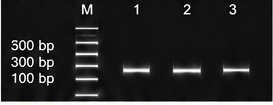
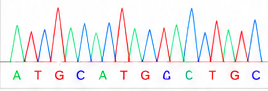
DNA Analysis
- Species identification through mitochondrial DNA and/or nuclear DNA analysis, including COI, cytochrome b, 12S/16S rRNA and other appropriate genetic markers.
02
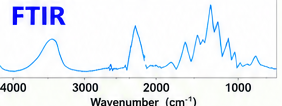
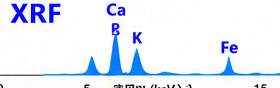
Chemical and Material Analysis
- Analysis of material composition using Fourier Transform Infrared Spectroscopy (FTIR), X-ray Fluorescence Spectroscopy (XRF) and other relevant techniques to determine the chemical and elemental composition of the sample.
03
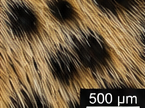
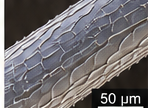
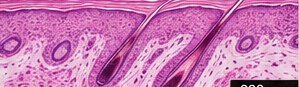
Imaging and Microscopic Analysis
- Observation and recording of microstructural features and morphological characteristics using high-resolution photography and microscopy.
3.
Results (Corresponding to analytical methods)
01
DNA Analysis Result
02
Chemical and Material Analysis Result
03
Imaging and Microscopic Analysis Result
4.
Identification Conclusion
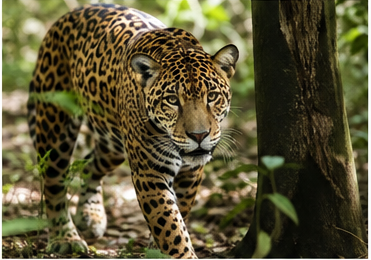
The analyzed sample is identified as African Leopard (Panthera pardus).
The results from DNA analysis, chemical composition analysis (FTIR and XRF), and microstructural characteristics are consistent with the biological characteristics of African Leopard (Panthera pardus). No evidence indicates that the sample originates from any other species.

Chief Forensic Biologist
Faunexis Research Institute
This report is based solely on the test results of the submitted sample and represents the professional opinion of Faunexis Research Institute. This report is valid only for the submitted sample. Unauthorized use, alteration or reproduction of this report is prohibited.
www.faunexislab.comRue Hans-Fries 1, 1700 Fribourg, Switzerland